
We’re living in an extraordinary era where the line between science fiction and reality blurs every single day. Smart technology isn’t just a trend; it’s the driving force that’s completely redefining how we live, work, and interact with our environment. From cities that think to homes that anticipate our needs, welcome to the fascinating world of the intelligent technology revolution.
The Tech Ecosystem Surrounding Us
Before diving into specific cases, it’s important to understand that we’re talking about an interconnected ecosystem where Artificial Intelligence (AI), Internet of Things (IoT), Big Data, and Machine Learning work in perfect harmony to create experiences that once seemed impossible.
Smart Cities: Where Technology Comes to Life
Smart Waste Management: The Perfect Example
Let’s start with a concrete case that perfectly illustrates this revolution. Intelligent waste management is just the tip of the iceberg of what smart cities can achieve:
- IoT-Enabled Bins: Smart bins equipped with fill-level sensors can alert waste management services when they need to be emptied. This optimizes collection routes, reducing fuel consumption and operational costs.
- Waste Sorting AI: AI systems that automatically separate recyclable materials from general waste, improving recycling rates up to 95%.
- Predictive Analytics: By analyzing historical data, cities can predict waste generation patterns and adjust their services accordingly, especially during peak periods or events.
- Citizen Engagement: Mobile apps allow residents to report illegal dumping or missed collections, enabling faster response times and cleaner streets.
Beyond Waste: The City as a Living Organism
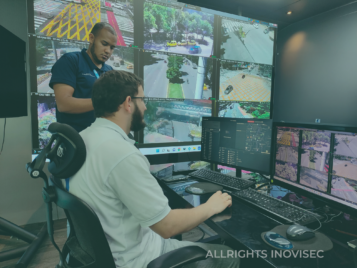
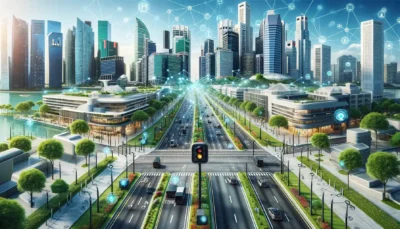
Smart Traffic: Traffic lights are no longer simple timer-based devices. Current systems analyze real-time traffic flows, automatically adjusting timing to optimize vehicle movement and reduce emissions.
Adaptive Lighting: Smart LED streetlights dim or brighten based on pedestrian presence, weather conditions, or time of day, saving up to 50% energy consumption.
Gestión de Emergencias: Systems that automatically detect accidents, fires, or emergency situations, instantly alerting corresponding services and optimizing response routes.
Future Homes: They’re Already Here
The Invisible Assistant
Smart homes have evolved beyond simple voice commands. Now we have systems that:
- Learn your routines and automatically adjust temperature, lighting, and music
- Predict your needs by ordering products before you run out
- Optimize energy consumption using AI to reduce bills by up to 30%
- Ensure security with facial recognition and anomaly detection
Appliances That Think
Refrigerators that suggest recipes based on available ingredients, washing machines that adjust cycles according to detected fabric types, and ovens that automatically cook following celebrity chef recipes downloaded from the internet.
Transportation Revolution
Autonomous Mobility
Autonomous vehicles aren’t just driverless cars; they represent a complete reimagining of transportation:
- Shared fleets that reduce the need for vehicle ownership
- Real-time route optimization using global traffic data
- Accident reduction by up to 90% according to preliminary studies
- Multimodal integration seamlessly connecting different transportation methods
Intelligent Logistics
Delivery drones, fully automated warehouses, and demand prediction systems that can anticipate what products you’ll need before you know it yourself.
Industrial Transformation: Industry 4.0
Self-Optimizing Factories
- Predictive maintenance that prevents failures before they occur
- Automated quality control using computer vision
- Adaptive supply chains that automatically reconfigure during disruptions
- Mass customization enabling unique products at industrial scale
Digital Health: Medicine of the Future
Intelligent Diagnosis
- Medical AI that can detect diseases in early stages by analyzing medical images
- Advanced wearables that constantly monitor vital signs and alert about anomalies
- Personalized medicine based on genetic analysis and individual biometric data
- Smart telemedicine providing instant preliminary diagnoses
Global Success Stories
Singapore has implemented a complete network of urban sensors that monitor everything from air quality to noise levels, creating the world’s most “aware” city.
Estonia offers completely digitized government services where 99% of procedures are completed online in less than 15 minutes.
Tesla didn’t just change the automotive industry; it created a complete sustainable energy ecosystem integrating vehicles, energy storage, and solar generation.
The Transformative Impact
This technological revolution is generating benefits that go far beyond convenience:
Environmental Sustainability
- 40% reduction in CO2 emissions in smart cities
- Optimization of natural resource usage
- Circular economy powered by technology
Economic Efficiency
- Reduction in operational costs across industries by up to 25%
- New data-driven business models
- Democratization of access to advanced technology
Quality of Life Improvement
- Personalized and adaptive services
- More free time thanks to automation
- Improved access to education and healthcare
Challenges and Considerations
It’s not all rosy. This revolution also presents important challenges:
- Data privacy and cybersecurity concerns
- Digital divide between different social sectors
- Impact on traditional employment
- Growing technological dependency
The Future Awaiting Us
Where are we headed? Emerging trends show us a fascinating landscape:
Next Frontiers
- Quantum computing that will solve currently impossible problems
- Augmented reality seamlessly integrated into daily life
- Generative AI that will create content, art, and solutions autonomously
- Smart biotechnology that will merge biological with digital
Completely Autonomous Cities
Imagine cities that self-repair, self-optimize, and constantly evolve based on their inhabitants’ needs, learning and adapting in real-time.
Final Reflection: Beyond Technology
The real revolution isn’t in the devices or algorithms, but in how these are redefining our relationship with the world around us. We’re transitioning toward a reality where technology becomes invisible, intuitive, and truly useful.
The smart waste management we mentioned at the beginning is just one example of how technology can transform even the most mundane tasks into opportunities to create a better world. Every sensor, every algorithm, every innovation brings us one step closer to more sustainable cities, smarter homes, and more fulfilling lives.
The future isn’t something that will happen to us; it’s something we’re actively building every day. And you—are you ready to be part of this revolution?
What aspect of smart technology excites you most? Have you experienced any of these innovations in your daily life? Share your experience and vision of the technological future in the comments.